


Trail cameras are an awesome tool that we as hunters can use to get an incredible amount of information. Unfortunately, we can not hunt all the time, but the trail camera can. As long as you keep it powered up, you will know every time anything comes by that spot. Although if you have never used one before, setting them up can be a little tricky.
For starters, you need to buy the right batteries and SD card for your camera so it functions properly. Then, you need to activate your cellular plan if you choose a cellular trail camera. You will do that with an app or the brand's website that made your camera.
After everything is ready to go, you’ve got to put your camera in the right spot to catch a lot of game. A camera placed where there isn’t any deer sign isn't liable to see any deer. Then you just need to make sure the trail camera’s settings are correct, and let it do its job!
That all sounds simple enough, but it is still a lot if you haven’t done it. So let’s go over each step in a bit more detail.
Buy Batteries & an SD Card
The first thing you should know is that game cameras use a fair amount of batteries. If you leave your trail camera out in the woods all season long, you can bet the batteries will be dead. That means if you are using trail cameras before and through deer season, you might have to change batteries at least once or twice. Non-cellular cameras will also last longer than cellular cameras, and some non-cellular cameras can have an insane battery life.
Most trail cameras are going to use AA batteries, and the standard camera holds 8 batteries at a time, but you should double check that is the case with your particular camera. I also want to mention that you shouldn’t cheap out on batteries either. Cheap batteries die much faster, and they will cost you more in the long run. Trust me, I’ve tried.
Another option is buying a solar charger for your camera, and they work great, but they are a little expensive. You also need a camera made for solar charging, so don’t buy a solar charger without knowing your camera works with one.
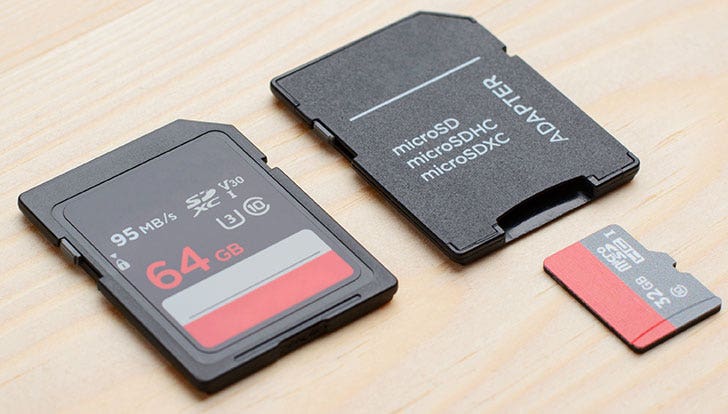
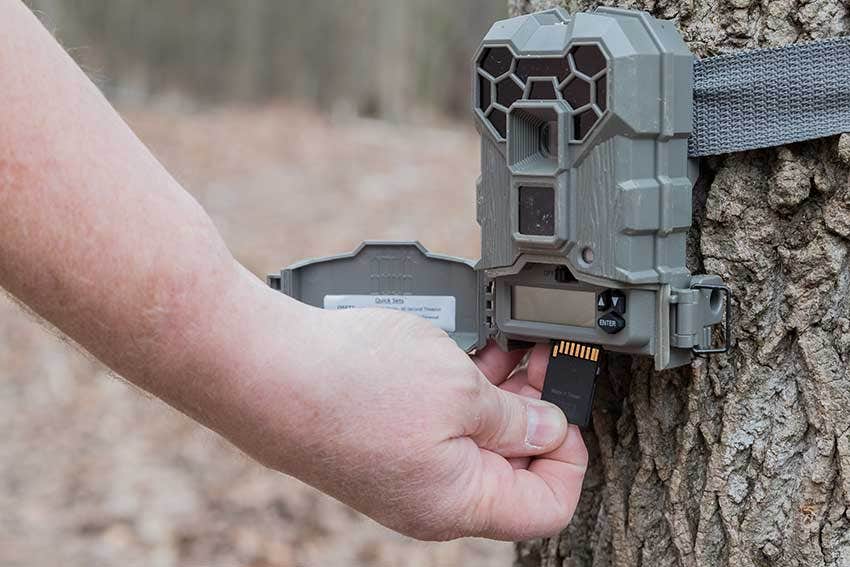
Lastly, you need an SD card, even if you bought a cell camera. This is what the pictures will be stored on, even if they are texted to you. Usually, regular game cameras take full sized SD cards, and cellular cameras take microSD cards, so make sure you have the right one for your camera.
Also, you need to make sure your SD card is the right capacity. Not any capacity will work. My most recent camera required a 64GB micro SD card, and one of my older cameras uses a 2GB SD card. Those are two, incompatible, SD cards. So don’t make your go all the way to your camera spot in the woods with the wrong SD card, try it in the camera beforehand.
You will also need to format your SD card to get it to work properly. Most cameras can format the SD card for you, so you won’t need any other technology, but you will lose everything on that SD card. So if you want to back up those images and not lose them forever, you will need to do that on a computer before formatting it.
Activate Your Cellular Plan (If Needed)
If you bought a cellular game camera, you will need to activate its cellular plan before you get to the woods. There should be ample instructions on how to do this included with the camera's packaging. Although if you can not find it, you can always google “how to activate [insert camera name]” and a guide from the company should pop right up. Cellular trail cameras are not legal everywhere, so make sure they are legal in your state before using it.
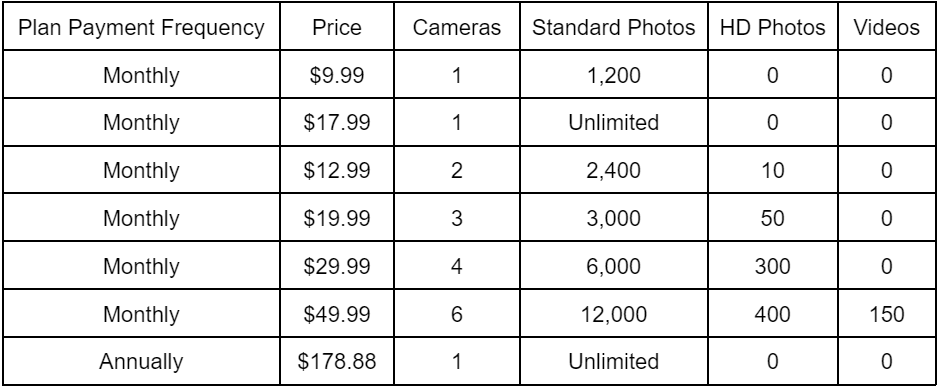
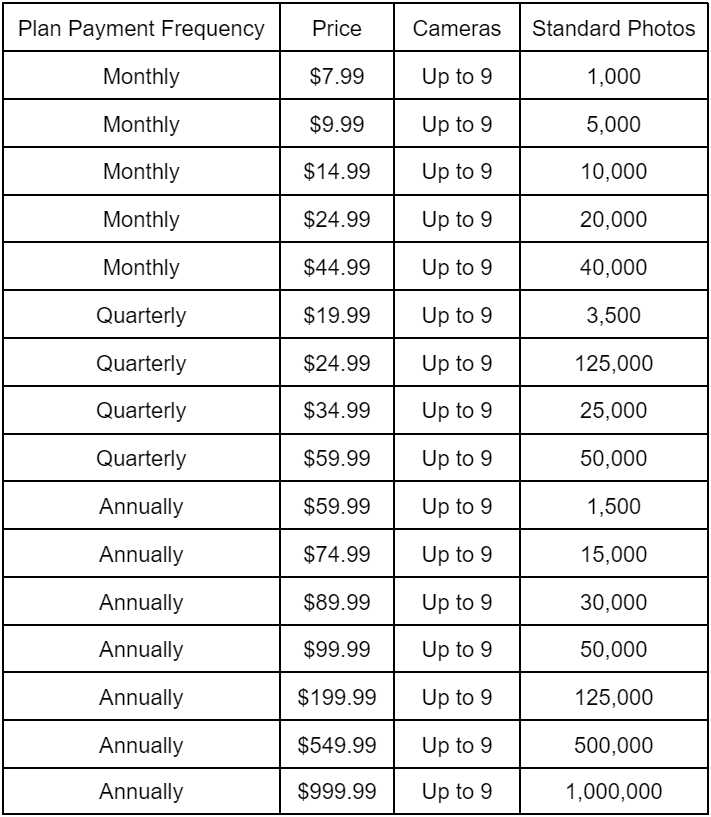
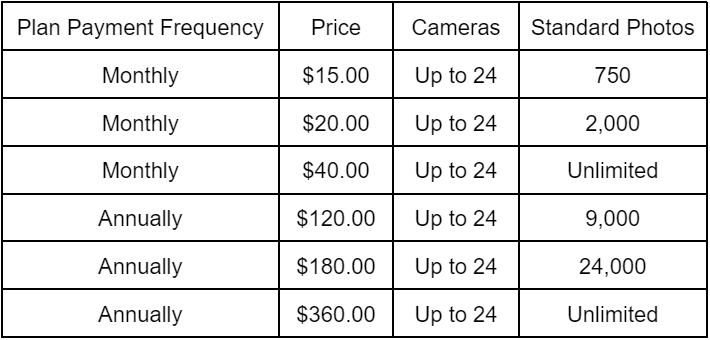
Different companies have different cellular plans for their cameras, and some are better than others. So if you are not sure what camera, or brand you want to go with just yet, let’s take a quick look at their subscription prices. You can also get better prices by getting a yearly plan if you use cameras year round.
Browning Cellular Plans
Bushnell Cellular Plans

Covert Cellular Plans

Covert LORA Cellular Plans
CuddeLink Cellular Plans
Tracks by Cuddeback Cellular Plans
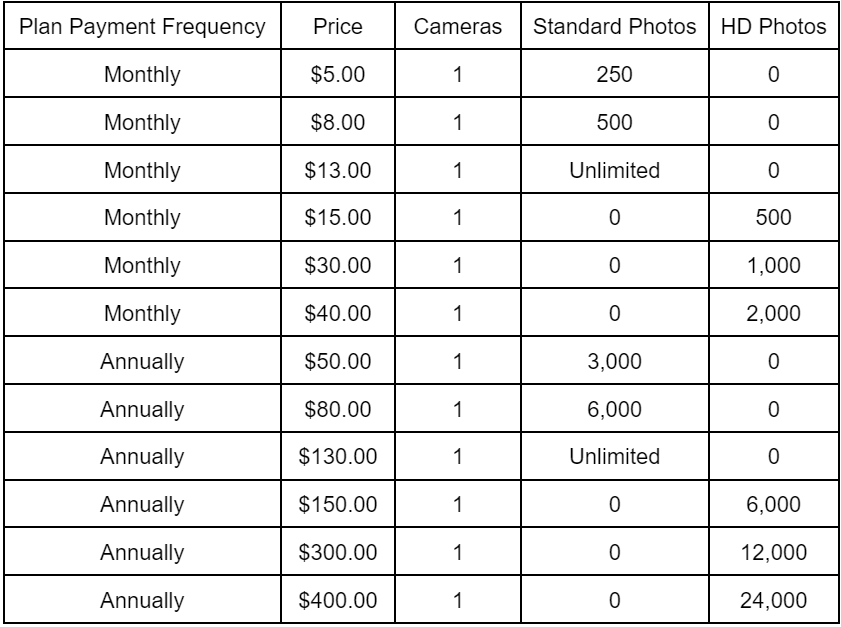
Moultrie Cellular Plans

Muddy Cellular Plans

Primos Cellular Plans

Spartan Camera Cellular Plans

SpyPoint Cellular Plans
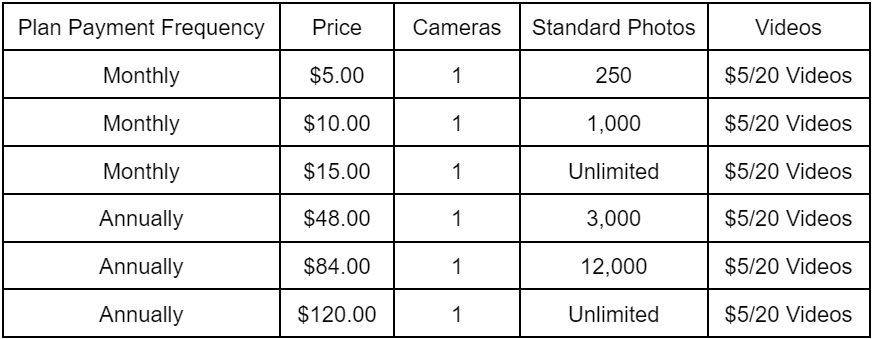
Stealth Cam Cellular Plans

Wildgame Innovations (Hunt Smart) Cellular Plans
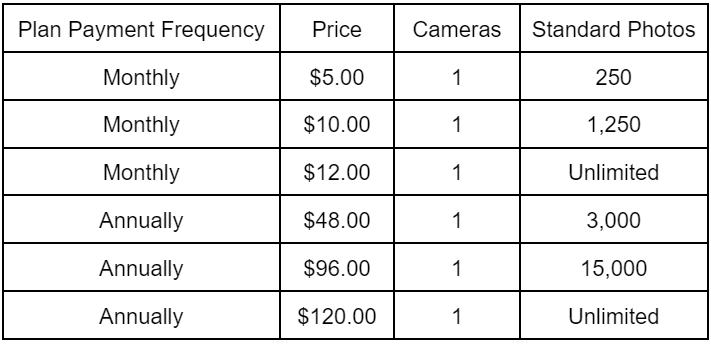
Pick the Right Spot
Alright, so here's the hard part, picking the right spot for a trail camera. If your camera is in different places, it will obviously see different things. You have got to use a bit of hunting knowledge to pick the best spot for your camera. Although there is no way to really know how a game camera is going to do in a certain spot, you have just got to try!
That is why guys usually have a bunch of trail cameras. They will put them all around their property in areas where there is a lot of deer sign, and hope for the best. Something like a scrape, rub, or a worn down deer trail is always a good place for a trail camera. Scrapes are usually a go-to trail camera spot during the pre-rut when bucks are really focusing on laying down sign.
When I didn’t have a whole lot of trail cameras to play with, I wanted to get the best bang for my buck with placement. So I ended up hanging all of my cameras around funnels and pinch points. These are basically areas where multiple deer trails come together into a single spot. Think of them like an intersection on the deer highway. This way, I was covering three or four trails with one camera!
How Much Are Trail Cameras?
If you don’t have a ton of trail cameras yet, let’s quickly look at how much it would cost to pick up some more. You can find really cheap cameras online for $60 or less, but you really shouldn’t waste your time. Those cameras are not great, and you can expect them to break pretty fast.
You can also buy trail cameras that cost over $400! Of course, these cameras are super nice and they have a ton of bells and whistles, but you can get by with paying much less. In today's market, you can get a solid camera for about $150.
Configure Your Trail Camera Settings
Once you have your camera in the right spot, make sure its settings are right. Most game cameras can take photos or videos, but not at the same time. You will have to pick. If you choose photos, you will also need to set the trigger time. This is how long it waits between pictures. You will also need to pick if it takes a single picture or a burst of pictures.
I like to set a fast trigger and take three picture bursts. This is a good balance between taking a lot of pictures, but not so many that it drains your batteries. Videos can be great too, but they take more storage space on the SD card, and more battery power.
Check In on Your Camera Periodically
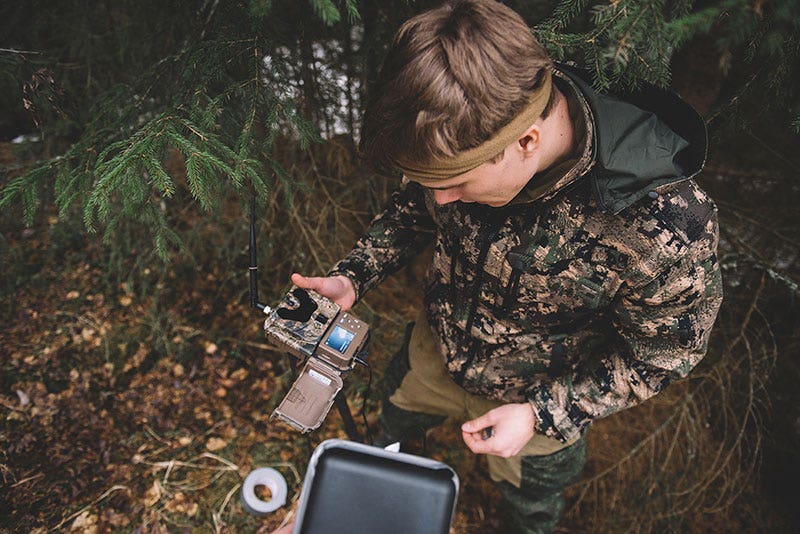
You shouldn’t leave your camera out in the woods for three months and expect it to be functioning when you go to pick it up. If you have a cellular camera, it will tell you how much battery it has left. However if you have a regular game camera, you should go check on it every couple of weeks to change out the batteries (if needed) and to change the SD card so you can see what it took pictures of!
What Are the Best Trail Cameras?
That is about it! Once you get it figured out, trail cameras are not that complicated. Although you will start off on the right foot if you pick out a good camera. So to wrap things up here, I thought I would leave you with a few suggestions!
The Browning Trail Cameras Dark Ops HD Max is a great camera for just about anyone. It has a lightning fast 0.3 second max trigger speed, and can take pictures up to 80 feet away! Plus, it has great infrared night vision and takes awesome HD videos.
Another trail camera that is worth looking at is the Stealth Cam STC-RATW Reactor. This is a cellular camera, so it can text pictures right to you at any time of the day. It has an impressive 26 megapixel camera, 0.4 second trigger speed, and 100 foot flash range. It also uses a “No Glare” Matte PIR and IR Array so deer will not see it taking pictures at night. The best part? This camera is one of the most affordable cell cameras on the market, and is actually high quality!
The Spypoint LM-2 has a simple, compact design. The LM2 antenna maximizes available signal on LTE networks to ensure continuous service and reliable transmission of footage to the SpyPoint app. This camera captures 20MP photos to ensure every image is clear. Also features a 0.5-second trigger speed and a Multishot mode. Compatible with microSD cards from 2GB to 32GB. Free Photo Transmission plans available.
Moultrie Mobile Edge Camera With the Moultrie Mobile Edge Cellular Trail Camera all you need to get started is a cellphone, a Moultrie Mobile Plan and batteries. With cellular coverage provided by multiple major U.S. cellular carriers, new Auto Connect technology connects your camera to the strongest cellular network in your area without ever swapping SIM cards. Also available as a 2-pack
The Cuddeback Tracks Cell Camera. Cuddeback revolutionized cellular trail cameras with CuddeLink. Now Cuddeback introduces the Tracks line of LTE cameras with state-of-the-art LTE technology but without CuddeLink technology. And its not a stripped down foreign designed import. Tracks is a full featured LTE trail camera with fast trigger speed and exceptional image quality.
The easy, multi-carrier capable camera set-up of the Tactacam Reveal X Gen 2.0 Cellular Game Camera allows hunters to see the action as it’s happening from any location with instant photo delivery. The small, discreet, cellular camera is engineered to handle extreme weather conditions and provide ultimate performance with the newly developed hybrid mode – combining faster communication and improved battery life.
The Browning Defender Pro Scout Max is the perfect cellular trail camera to scout your favorite hunting property 24/7. This camera was designed to run for up to 1 year in the field on a set of 8 AA batteries. The high resolution camera sensor paired with fast trigger speeds and cellular technology, the New Defender Pro Scout Max will soon be your “go to” solution to see what’s visiting your green fields and running your trail system. Other features include GPS tagged images, 100 Ft. detection range and the all new RADIANT 6 Night Illumination Technology. Camera can be activated on either the ATT or Verizon network.